At Edina Daycare, we believe children learn best when they are encouraged to explore, question, create, and discover. Our Reggio-inspired approach nurtures each child’s natural curiosity while providing meaningful opportunities to learn through hands-on experiences, relationships, and exploration.
Combined with Spanish immersion, STEM learning, sensory exploration, and cultural learning experiences, children develop confidence, creativity, and a lifelong love of learning.
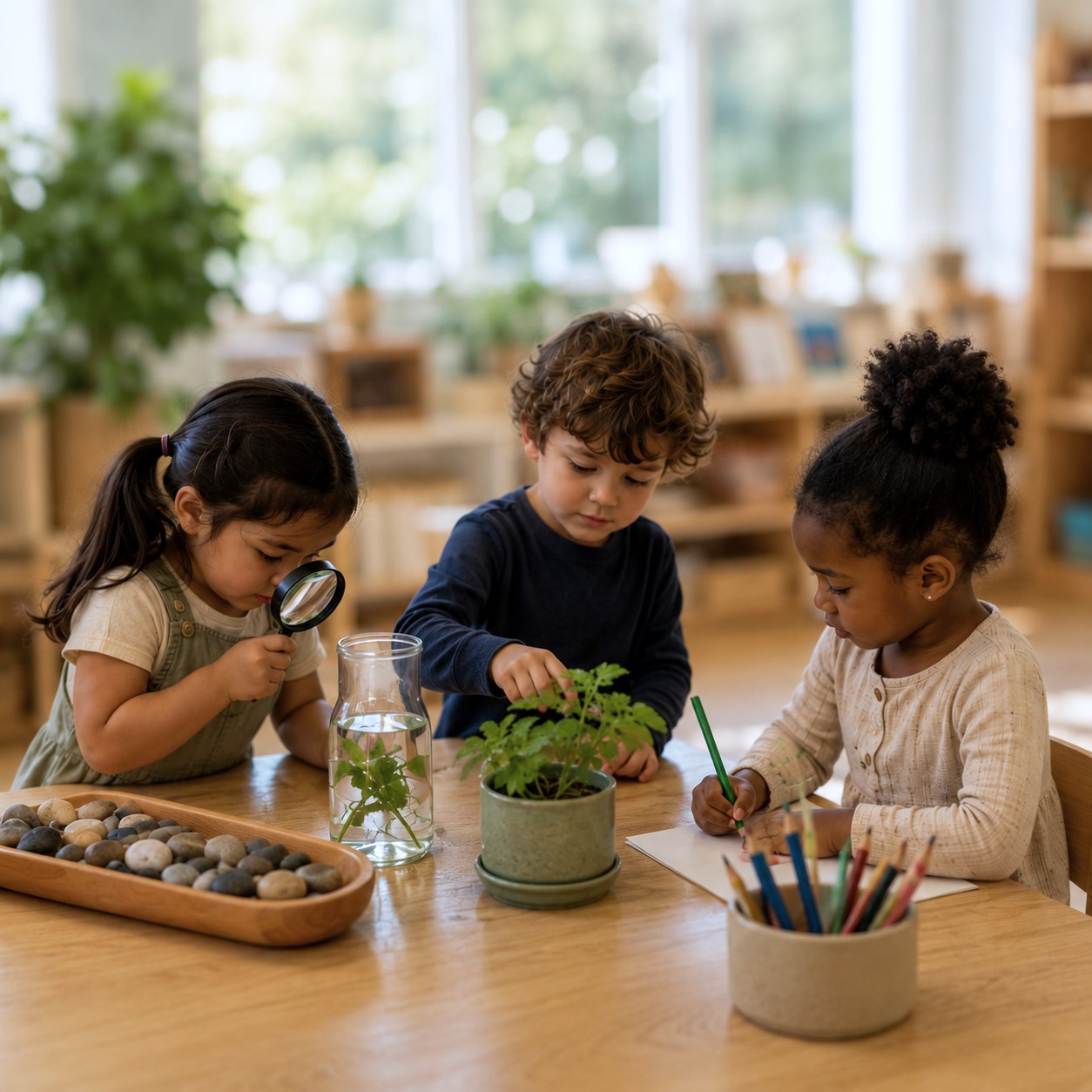
Reggio-inspired learning is a child-centered educational approach that encourages children to learn through exploration, creativity, collaboration, and hands-on discovery.
Rather than simply providing answers, teachers guide children as they investigate questions, solve problems, and explore topics that spark their curiosity. Learning becomes an active process where children develop confidence, independence, communication skills, and critical thinking abilities through meaningful experiences.
Families searching for a Reggio-inspired preschool in Edina often appreciate the balance of academic growth, creativity, and child-led discovery that this approach provides.
Every child is born with a desire to learn.
We view children as capable, creative, and curious individuals who are eager to explore the world around them. When children are encouraged to ask questions, share ideas, and investigate their interests, learning becomes more meaningful and engaging.
Our educators create opportunities for children to:

By nurturing curiosity and encouraging exploration, we help children become active participants in their own learning journey.
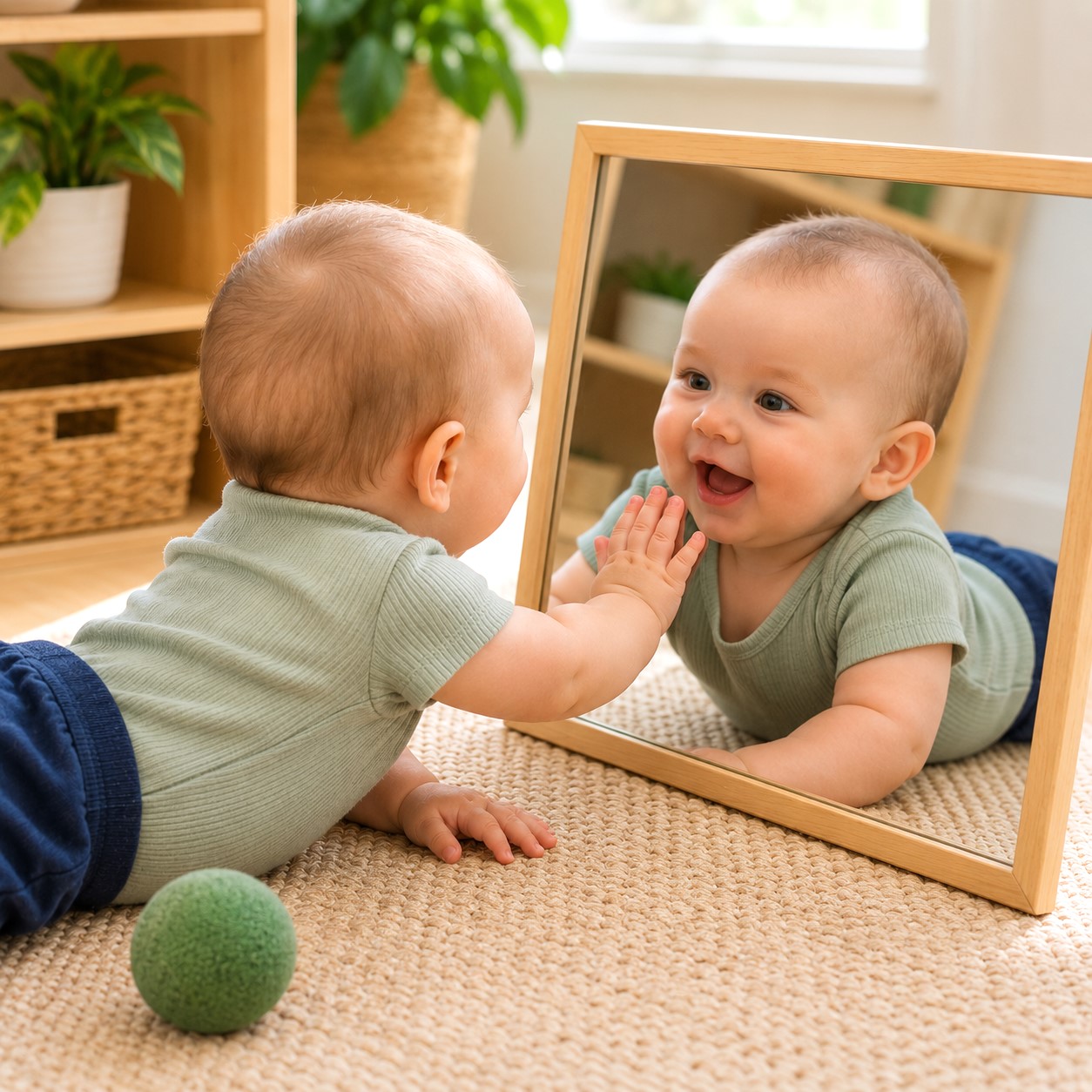
This month, children are exploring what makes each of us unique and how we learn, play, and grow together as a classroom community.
Through discussion, creative expression, STEM exploration, sensory experiences, and Spanish language learning, children are investigating questions such as:
As children share ideas, collaborate, and make discoveries, educators encourage curiosity, independence, communication, and a strong sense of belonging.
In a Reggio-inspired classroom, teachers serve as guides, facilitators, and learning partners.
Our educators carefully observe children’s interests, ask thoughtful questions, and create experiences that encourage deeper exploration and discovery. Rather than providing all the answers, teachers help children investigate ideas, make connections, and develop their own understanding of the world.
By building strong relationships and creating meaningful learning opportunities, our educators help children develop confidence, independence, and a genuine love of learning.
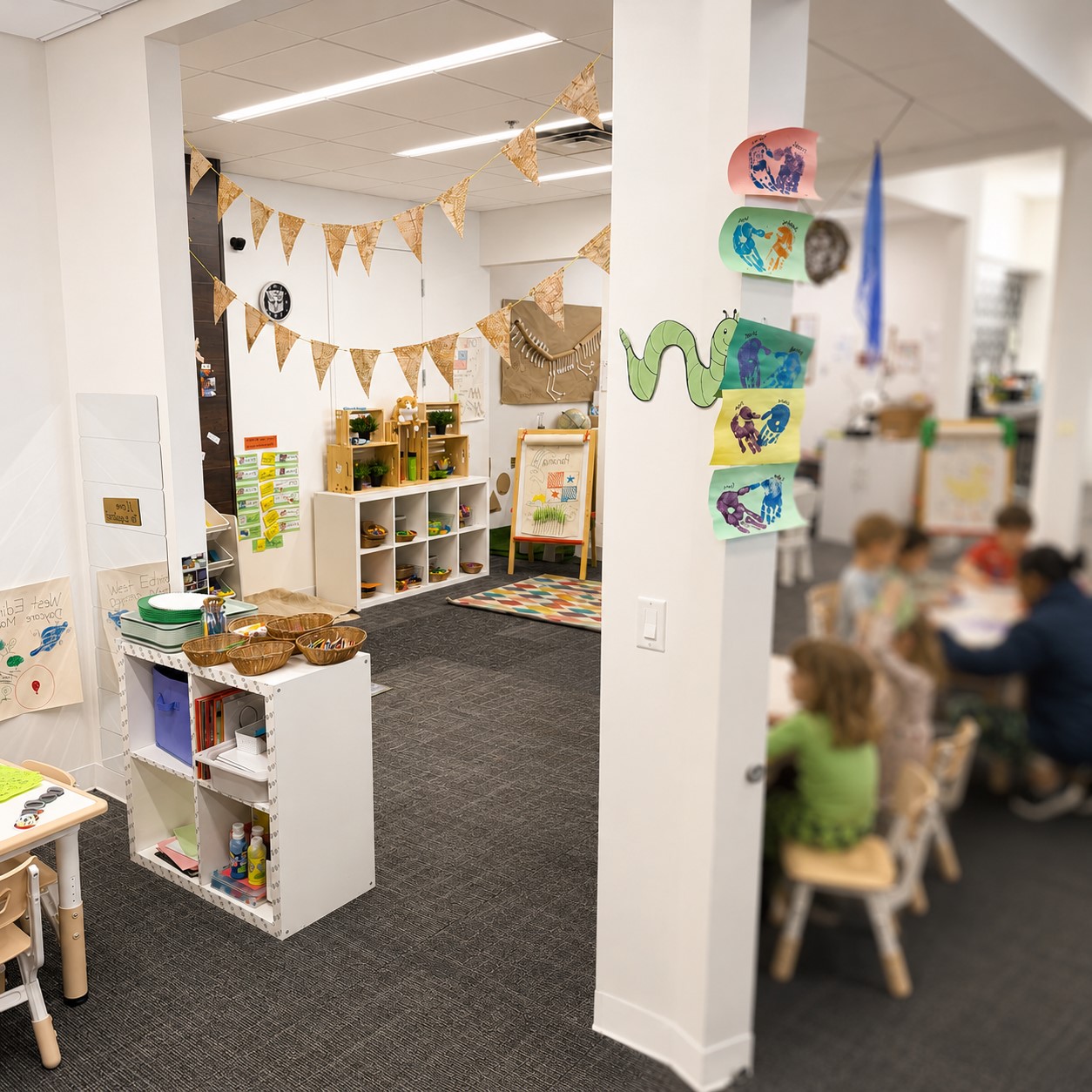
The learning environment plays an important role in a child’s development.
Our classrooms are thoughtfully designed to inspire curiosity, creativity, and exploration. Natural materials, engaging learning spaces, sensory experiences, and open-ended activities encourage children to interact with their surroundings in meaningful ways.
Children are invited to:
Every classroom is designed to support discovery, engagement, and child-centered learning.
Learning is a journey, and we believe it should be celebrated and shared.
Throughout the year, educators document children’s projects, discoveries, conversations, and creative work. This process helps children reflect on their learning while allowing families to see their child’s growth and development over time.
Documentation may include:
Making learning visible helps strengthen the connection between home and school while celebrating each child’s unique journey.
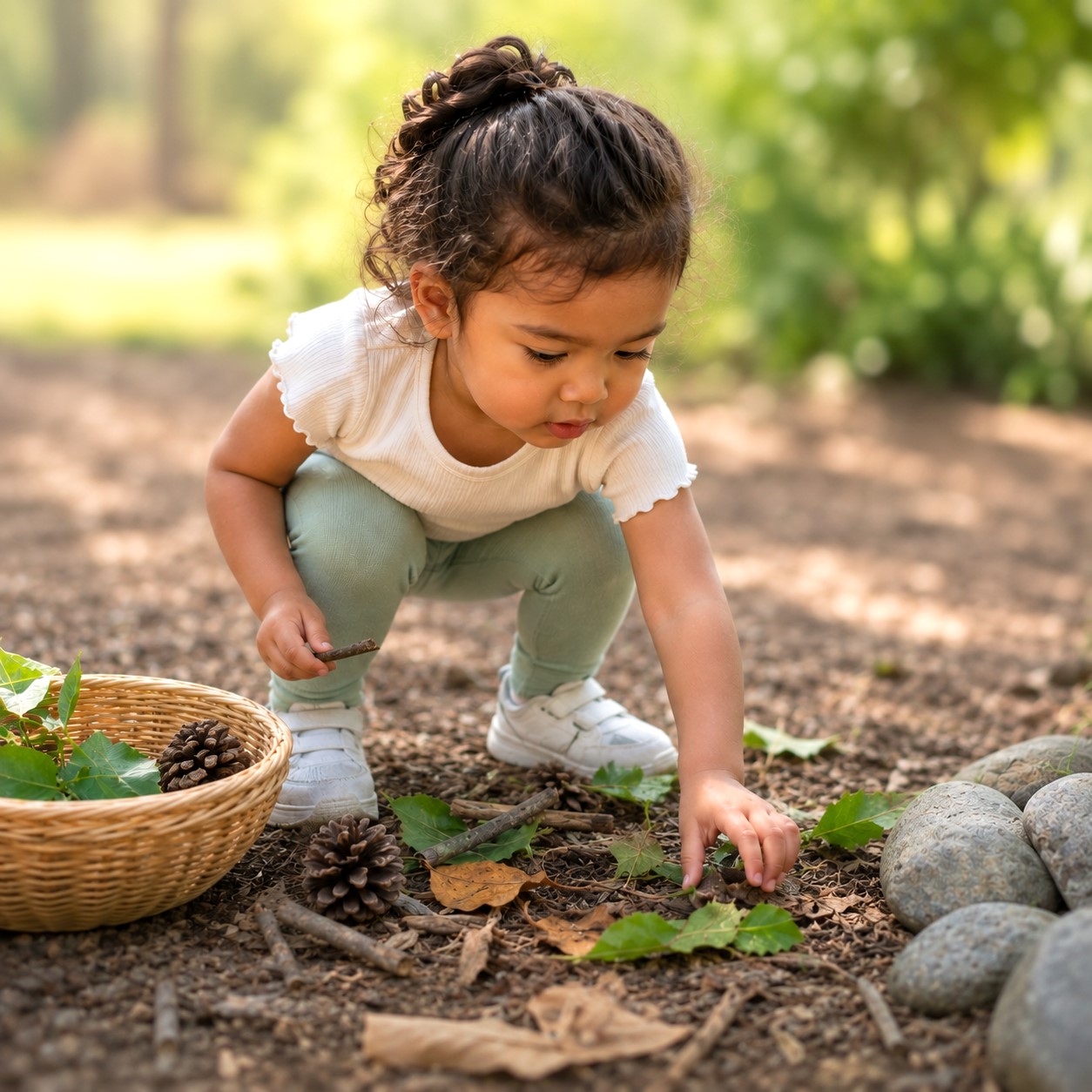
Nature provides endless opportunities for discovery.
Children learn through observing, collecting, building, creating, and exploring the natural world around them. Natural materials and outdoor experiences inspire creativity, problem-solving, and curiosity while helping children develop a deeper appreciation for their environment.
Whether children are examining leaves, creating with natural materials, exploring textures, or investigating outdoor spaces, nature becomes an extension of the classroom.
Traditional preschool programs often follow a predetermined curriculum and teacher-directed activities. In a Reggio-inspired preschool environment, children’s interests help shape learning experiences. Teachers guide exploration, encourage inquiry, and create opportunities for children to investigate ideas through hands-on activities, collaborative projects, and meaningful conversations.
This approach helps children become active learners who develop confidence, creativity, communication skills, and problem-solving abilities that support future academic success.
Families often choose Reggio-inspired preschool programs because they:

These experiences help children develop a strong foundation for lifelong learning.
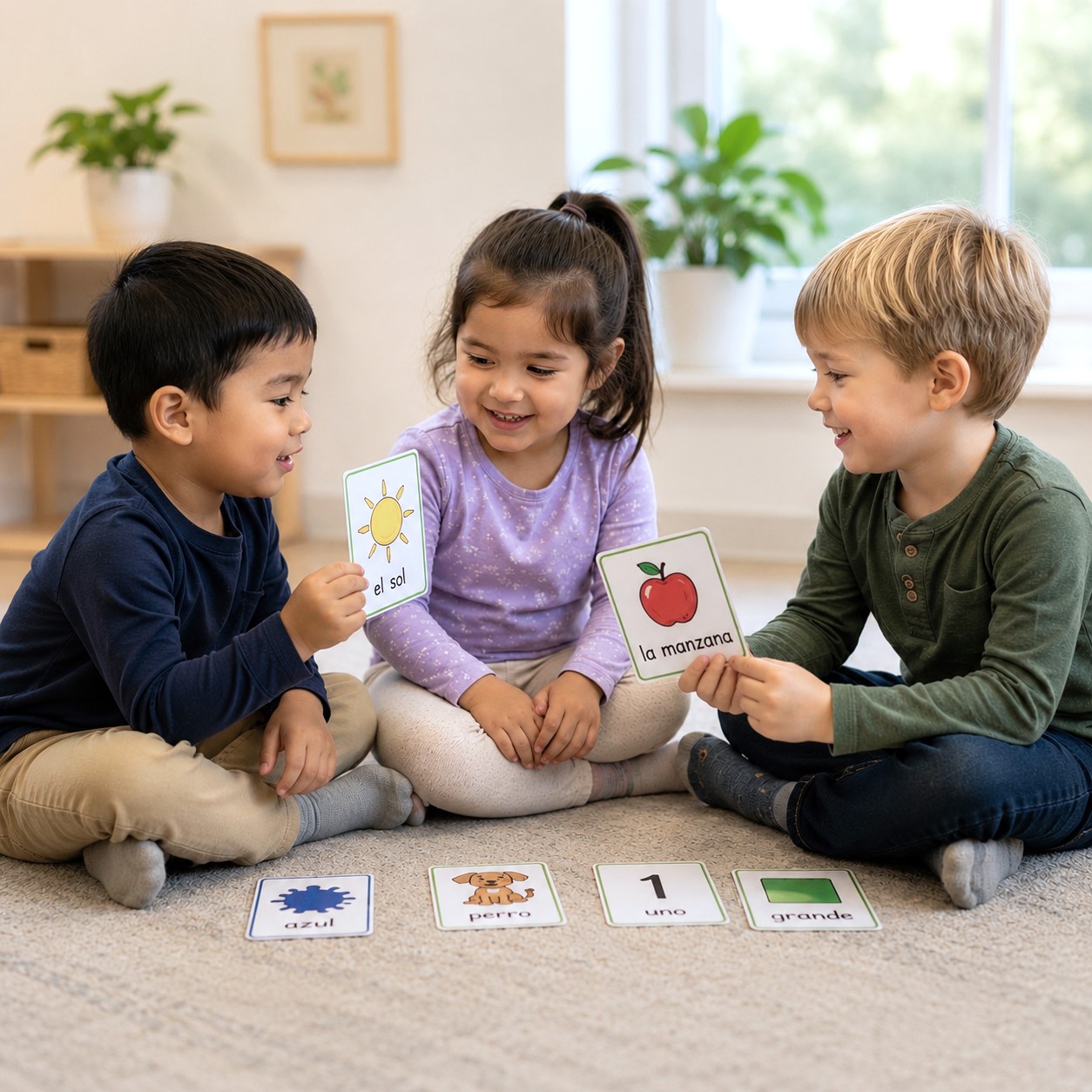
Our Reggio-inspired philosophy works hand-in-hand with our Spanish immersion program. Children learn language most effectively when it is connected to meaningful experiences. As children investigate topics, participate in projects, engage in conversations, and explore their interests, they naturally build Spanish vocabulary and communication skills.
Rather than learning isolated words or phrases, children experience language as part of authentic exploration and discovery.
This integrated approach helps children:
Through exploration, conversation, and authentic interactions, language becomes an active part of everyday learning.
What is the Reggio Emilia approach?
The Reggio Emilia approach is a child-centered educational philosophy that encourages children to learn through exploration, inquiry, creativity, collaboration, and hands-on experiences.
What are the benefits of Reggio-inspired learning?
Children develop confidence, creativity, communication skills, critical thinking abilities, problem-solving skills, and a lifelong love of learning.
Is Reggio-inspired learning play-based?
Yes. Children learn through purposeful play, exploration, projects, discussions, and hands-on experiences that build important developmental and academic skills.
How does Reggio-inspired learning prepare children for kindergarten?
Children develop communication, collaboration, independence, critical thinking, creativity, and problem-solving skills that support future academic success.
How does Reggio-inspired learning support Spanish immersion?
Children learn Spanish through meaningful experiences, projects, conversations, and exploration, helping language develop naturally within everyday learning.
What is the difference between Reggio-inspired learning and Montessori?
Both approaches encourage independence and hands-on learning. Reggio-inspired learning places a stronger emphasis on inquiry, collaboration, creativity, and child-led projects that emerge from children’s interests.
Children discover countries, traditions, languages, and celebrations from around the world, helping them build curiosity, empathy, and a broader understanding of different cultures.
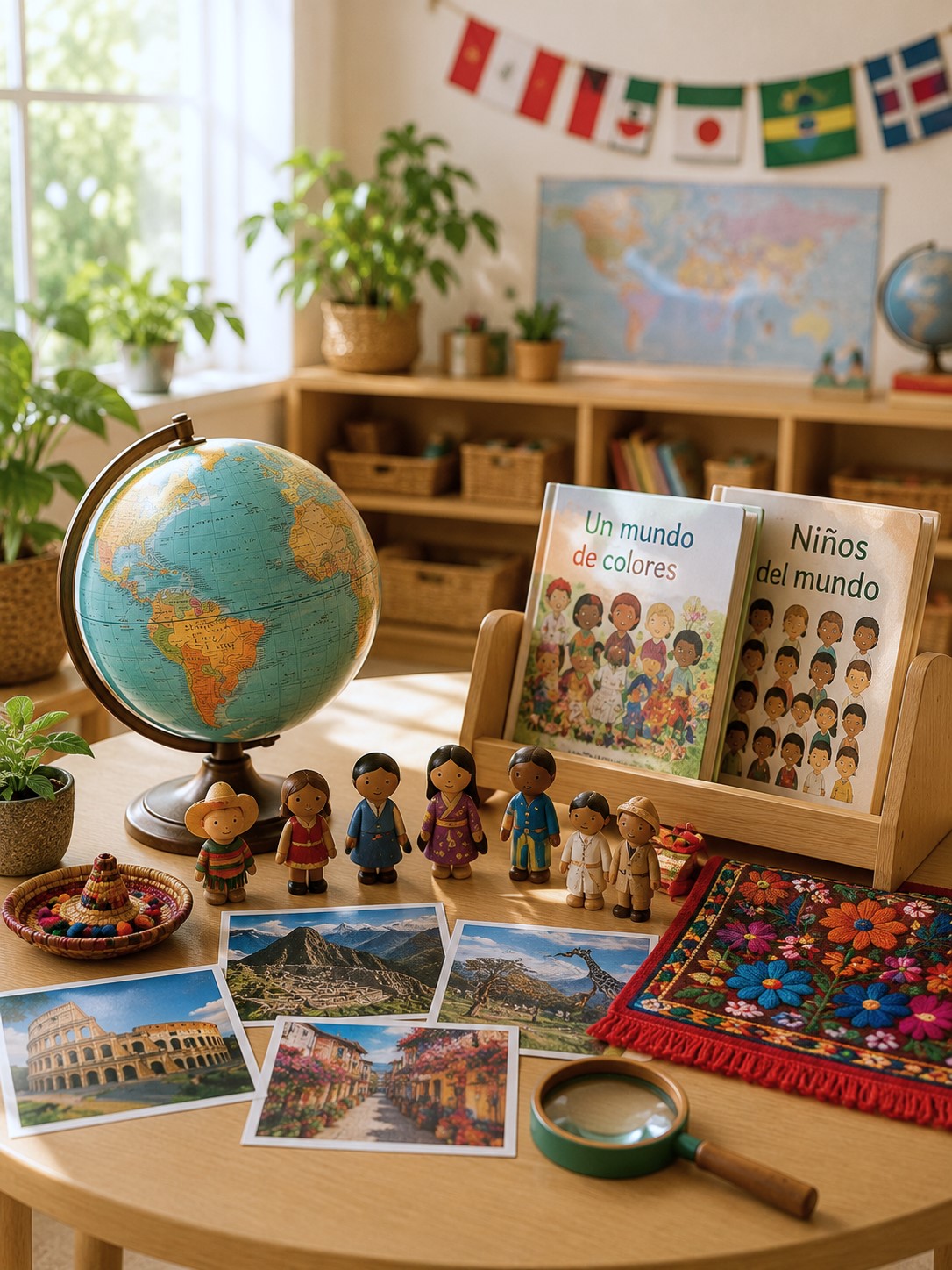
Discover how Spanish language learning is woven throughout each day through conversation, play, stories, music, and hands-on experiences.
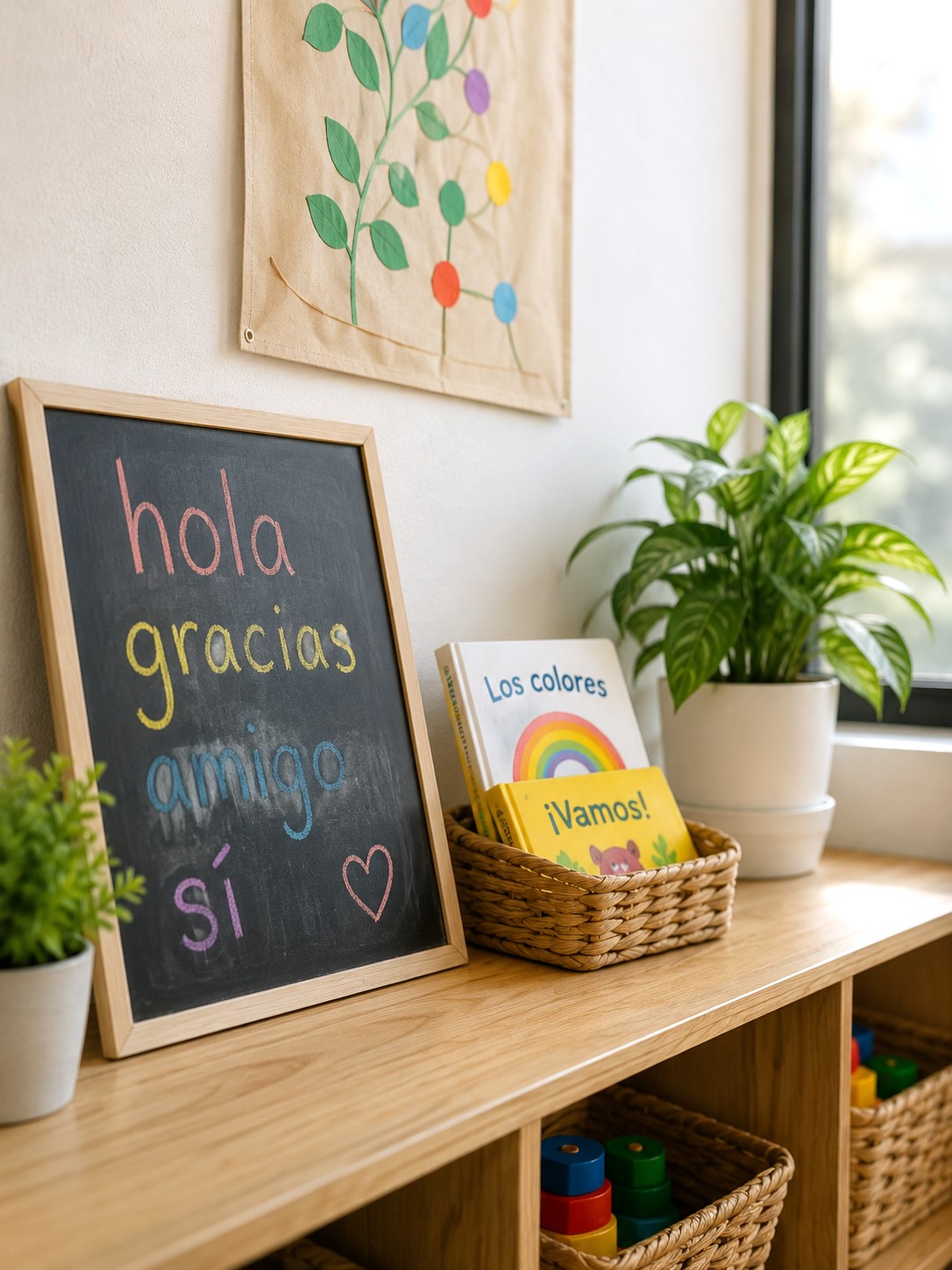
At Edina Daycare, children are encouraged to explore, question, create, and discover in an environment that nurtures curiosity and supports growth.

Spanish-immersion early learning enriched through STEM discover, sensory exploration, and child-led learning, inspired by the Reggio Emilia approach.
Serving children ages 6 weeks through Pre-K.
| Privacy Policy | ©2026 Edina Daycare